TriggerPoint Grid vs 321 Strong: Foam Roller Head-to-Head (2026)
TriggerPoint Grid 1.0 versus 321 Strong: the long-running original against a softer three-zone roller. Density, texture, durability, and which roller to actually buy.


On this page
The TriggerPoint Grid 1.0 is a long-running foam roller; Amazon lists it as first available in January 2009. The 321 Strong is a textured roller with a softer listed density.
Here’s the direct comparison, built from each Amazon listing’s specs and Amazon’s summary of buyer reviews.
Quick verdict
For most users: TriggerPoint Grid 1.0. The original. Firmer, multi-density texture, the longest track record, the safe default purchase.
For first-time rollers: 321 Strong. A softer listed density, and buyers call it good value.
One-line answer: If you want firm pressure, buy the Grid. If you want a softer roller, buy 321 Strong without regret.
At a glance
| Spec (per the Amazon listing) | TriggerPoint Grid 1.0 | 321 Strong |
|---|---|---|
| Length | 13 inch | 12.7 inch |
| Diameter | not listed | 4.75 inch |
| Construction | EVA foam wrapped around a hollow core | Lightweight core wrapped in closed-cell EVA foam, no hard plastic |
| Texture | Multi-density grid of varying ridges and nodules | Three zones of projections (fingertip, thumb, palm) |
| Firmness | Extra Firm | Medium |
| Weight | 1.1 pounds | 11.2 ounces |
| Warranty | not listed | 1-Year Reliable Warranty |
Round 1: Construction quality
TriggerPoint Grid 1.0: EVA foam wrapped around a hollow core. The listing says that design is firmer than traditional foam rollers and that the roller maintains its shape without breaking, even after repeated use.
321 Strong: A super-strong, lightweight core entirely wrapped in BPA-free closed-cell EVA foam, per the listing, with no hard plastic, so the maker says it won’t crack, deform or flex. Amazon’s summary says buyers appreciate its sturdiness.
Round 1 winner: No clear call on paper. Two different designs, both sold on shape retention.
Round 2: Texture pattern
The two rollers take different approaches to texture.
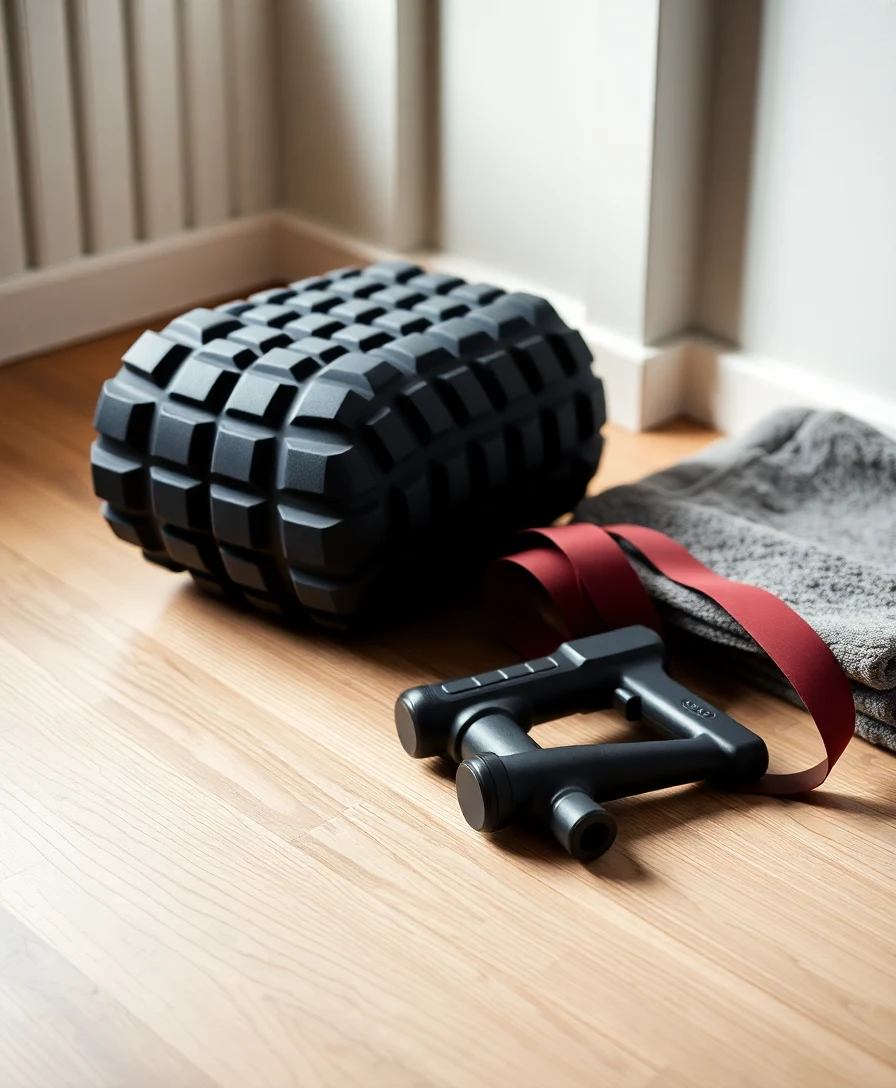
TriggerPoint Grid 1.0: The “Grid” name refers to the multi-density surface, a pattern of varying ridges and nodules that the listing says replicates the feeling of a massage therapist’s hands, so you use different areas of the roller for different body parts.
321 Strong: Three distinct zones of projections. The smallest are like a massage therapist’s fingertips, the larger ones mimic thumbs, and the largest feel like the base of the palms, so you dial in intensity by choosing the zone.
Round 2 winner: Tie. The Grid offers more varied contact; the 321 Strong offers clearer intensity steps. Pick the approach you prefer.
Round 3: Density
The listings don’t describe these the same way: TriggerPoint lists the Grid as “Extra Firm,” and 321 Strong lists its roller as “Medium.”
TriggerPoint Grid 1.0: Firm enough for IT band and lat work. Amazon’s summary says buyers find its firmness neither too soft nor too hard, though some say it can be uncomfortable at first.
321 Strong: Softer by its own listing. The maker says it is firm enough for the muscles on either side of the spine, yet soft enough not to hurt the spine when rolled directly. Buyers disagree on hardness: some find it too hard.
Round 3 winner: Tie. Which is “better” depends on the user. First-timers will usually prefer 321 Strong’s softer listed density; experienced users will usually prefer TriggerPoint’s firmer one.
Round 4: Long-term durability
The critical question for foam rollers: does it hold its shape after years of use?
TriggerPoint Grid 1.0: The listing claims it maintains its shape even after repeated use, and it has been on sale since 2009.
321 Strong: The listing claims it won’t deform or flex, and Amazon’s summary says buyers find it sturdy.
Round 4 winner: No clear call on paper. Neither buyer summary flags shape loss. Read recent critical reviews on either listing before you buy.
Round 5: Practical performance
For most uses (post-workout muscle release on quads, lats, IT band, glutes, calves), how do they compare?
TriggerPoint: Aggressive but controlled. The listing says its design delivers a deeper compression, like a sports massage, and the varied pattern makes it easy to work a spot with different contact.
321 Strong: Gentler, with intensity set by which zone you roll on. Amazon’s summary says buyers find it effective at getting deep into muscles and relieving back pain.
For most typical use, the two do the same job. The TriggerPoint advantage shows up for users who want firmer, deeper pressure.
Round 5 winner: TriggerPoint, marginally, for experienced users.
Round 6: Value, per buyers
TriggerPoint Grid 1.0: Amazon’s summary says buyers consider it a wise investment.
321 Strong: Amazon’s summary says buyers find it good value.
Round 6 winner: No call. Buyers are positive on value for both.
Who should pick which
Buy the TriggerPoint Grid 1.0 if:
- You expect to use the roller for the long haul
- You want firmer pressure and a varied texture
- You’re replacing a worn-out roller and want a permanent solution
- You want the original product with the longest track record
Buy the 321 Strong if:
- You’re a first-time foam roller buyer trying the category
- You want a foam roller for the gym or office (where loss/damage risk is higher)
- You prefer a softer roller with clearly separated intensity zones
What about 36-inch rollers?
Neither of these is a long roller. Both are around 13 inches. For upper-back rolling specifically (lying lengthwise on the roller for thoracic mobility), you need a 36-inch roller, see our foam roller roundup for the Amazon Basics 36” pick that solves that specific use case.
FAQ
Can both be used by beginners? Yes, with caveat. The 321 Strong’s softer listed density is more forgiving for first-timers. The TriggerPoint’s firmer density takes a few sessions of acclimation. Both are appropriate for adults without specific medical contraindications.
Which is better for IT band syndrome? TriggerPoint, marginally, for its firmer pressure. The functional difference is small. Persistent pain is worth checking with a clinician.
Will either help with plantar fasciitis? Neither is the right tool for plantar fasciitis specifically. A lacrosse ball or massage ball works better for arch work, see our mobility ball roundup. Foam rollers work on the calf, which can be a contributing factor to plantar fasciitis.
Can I use either on my back? For upper-back thoracic mobility, neither is long enough to lie lengthwise on (you need 36 inches). For specific lat or rhomboid work, both work fine: lie sideways or use against a wall.
How long should I use it per session? Keep passes short and slow on each muscle group. Longer rolling produces diminishing returns, and rolling should stay uncomfortable but tolerable, never sharp. Don’t roll directly on the spine or kidneys.
Where to buy
Top pick, TriggerPoint Grid 1.0: Check current price on Amazon
Also consider, 321 Strong: Check current price on Amazon
Read the individual reviews:
Final word
The TriggerPoint Grid 1.0 is the safest possible foam roller purchase. The 321 Strong is the softer alternative. Neither is wrong. If you’re buying a roller as a long-term tool for serious recovery work and want firm pressure, the Grid is the one. If you’re trying the category or want a softer roller, the 321 Strong is the choice, and either decision will serve you well.
Not medical advice. We publish consumer product reviews; consult a licensed PT before changing your routine. We earn commissions on qualifying Amazon purchases.